
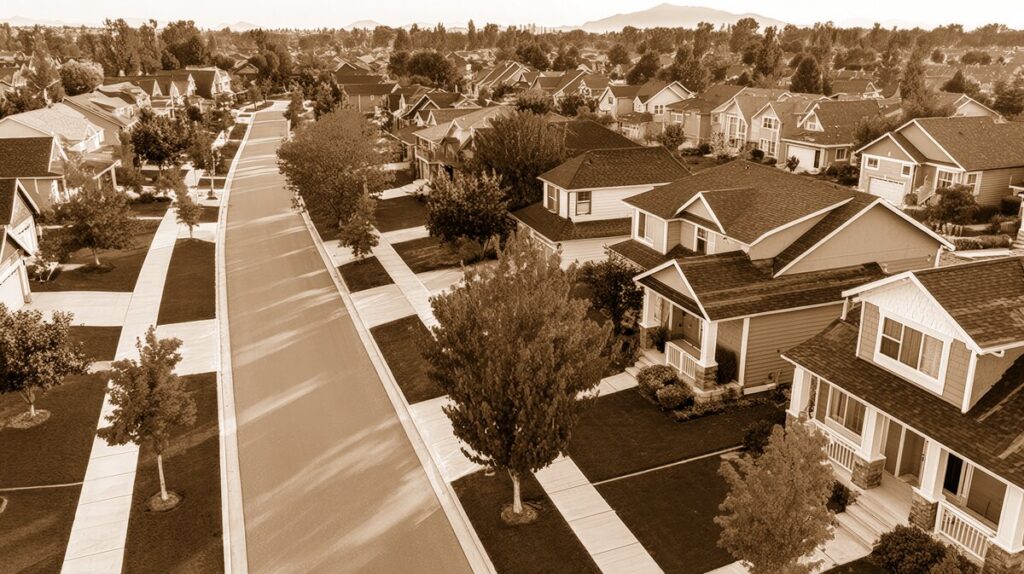
Nestled in northwest Oklahoma City, Lakehurst is more than just another pleasant neighborhood—it’s a living testament to the city’s evolution and the enduring spirit of its residents. From its mid-century origins to its quiet tree-lined streets today, Lakehurst has remained a beloved enclave, rich with stories and brimming with pride.
The Birth of Lakehurst: Origins and Etymology
Lakehurst’s story begins in the late 1960s, as Oklahoma City expanded northward to accommodate a growing population. Developers sought to capture the suburban dream, emphasizing scenic beauty, comfort, and accessibility. The name “Lakehurst” cleverly combined two appealing images: the allure of nearby Lake Hefner with the promise of lush, green surroundings—“hurst” being an old English word for a wooded hill.
Situated just south of NW 122nd Street and between North May and North Penn, Lakehurst offered idyllic living with easy access to the city’s growing amenities, thanks in part to the newly developed Lake Hefner Parkway.
Mid-Century Visions: The Neighborhood Takes Shape
Ground was broken on the first homes in Lakehurst in the late 1960s and early 1970s. The builders focused on spacious ranch-style houses, many featuring large lots, brick facades, and mature trees. Key streets formed the backbone of the neighborhood, including Lakehurst Drive, Ironstone Drive, and Stony Brook Drive, which still carry the character of the community’s mid-century roots.
During these early years, families were drawn not only by the quality of the houses but also by the developers’ vision of neighborly connection. Wide, walkable streets encouraged evening strolls, while curved cul-de-sacs fostered a sense of safety and intimacy.
The Role of Lake Hefner: Water, Recreation, and Community
Lakehurst owes much of its appeal to its proximity to Lake Hefner, a major reservoir and recreational jewel of Oklahoma City. While the lake itself is just to the west, its influence permeates the neighborhood—from cool breezes to weekend outings. Residents have long enjoyed easy access to Lake Hefner’s trails, parks, and scenic drive, with Stars and Stripes Park and Bluff Creek Park just a short drive away.
The neighborhood’s location also meant residents could enjoy sunsets over the water, fishing expeditions, or even a round at nearby Lake Hefner Golf Course. These leisurely pursuits quickly became a hallmark of Lakehurst living.
Institutions at the Heart of Community Life
From the outset, Lakehurst was a place where families could set down roots and thrive. Several nearby schools—such as Quail Creek Elementary and Putnam City North High School—have served generations of local children, providing opportunities for learning, friendship, and the forging of lasting memories.
Religious life is also woven into Lakehurst’s tapestry, with churches along North May Avenue—like Chapel Hill United Methodist Church—providing spiritual grounding and a sense of shared purpose.
Key Historical Milestones
- In the 1970s, the Lakehurst Homeowners’ Association was established, a pioneering move that empowered neighbors to work collectively in maintaining safety, beautification, and community standards.
- Through the 1980s, as Oklahoma City faced cycles of boom and bust, Lakehurst demonstrated resilience. Home values remained steady, and the neighborhood continued to attract new families, drawn by the reputation for stability and charm.
- The 1995 Oklahoma City bombing resonated deeply with Lakehurst residents, with many participating in volunteer and support efforts, exemplifying the community’s empathy and unity in difficult times.
- In the early 2000s, Lakehurst adapted to changing lifestyles. Original homes were lovingly updated rather than torn down, blending mid-century heritage with modern conveniences.
Landmarks and Noteworthy Buildings
While Lakehurst is primarily residential, its architectural integrity and mature landscape offer a timeless appeal all their own. Several original homes on Stonegate Road and Lower Ridge Road have been featured on local garden tours for their meticulous landscaping and enduring style.
Nearby, the Metropolitan Library System’s Belle Isle Library—just a few miles south—has long been a hub for Lakehurst residents, offering educational programs and a sense of continuity for book lovers and families alike.
The neighborhood’s close proximity to the upscale Nichols Hills Plaza and the bustling shops at Quail Springs Mall have provided residents with unmatched convenience without infringing on Lakehurst’s peaceful charm.
Evolution Over the Decades
Over fifty years, Lakehurst’s essence has remained unchanged: a welcoming, neighborly spirit couched in stately homes and shady streets. But like all great communities, Lakehurst has evolved. The once-new homes now stand as vintage treasures, many tastefully renovated to preserve original details like crown moldings, brick fireplaces, and generous backyards.
Younger families continue to find their way to Lakehurst, blending seamlessly with longtime residents who remember when the neighborhood’s trees were just saplings. The annual Fourth of July parade, spring garage sales, and holiday decorating contests highlight a sense of belonging that transcends generations.
Why Lakehurst Remains Special
Walk through Lakehurst today, and you’ll find more than just well-tended lawns and charming architecture—you’ll sense a legacy of friendship and respect. Residents still greet each other warmly along Ironstone Drive. Children play in the same yards their parents once did, and mail carriers often know each household by name.
The neighborhood has gracefully weathered the changes that time brings, blending tradition with progress, and ensuring that Lakehurst remains not just a place on a map, but a cherished home in the hearts of those who live here.
With its storied past, natural beauty, and unbreakable bonds of community, Lakehurst stands as a shining example of Oklahoma City’s rich neighborhood tradition—a place where history is lived and heritage is honored every single day.